Unix课程 计算内存求答案 一级目录 二级目录不知该如何分配内存
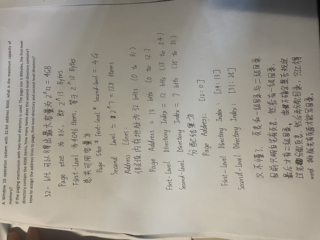

Unix课程 计算内存求答案 一级目录 二级目录不知该如何分配内存
 分享
分享
 关注
关注让阿豪来帮你解答,本回答参考chatgpt3.5编写提供,如需一对一服务私聊我哦问题:在Unix课程中,如何计算内存需求?在一级目录和二级目录中应该如何分配内存? 解答: 计算内存需求: 在Unix中,可以使用top命令查看系统中各个进程的内存占用情况。其中,RES(resident set size)表示该进程目前占用的内存大小,即实际使用的物理内存大小。因此,可以通过查看程序进程的RES值来估算所需内存大小。 如果直接运行程序,则可以使用Valgrind工具来跟踪内存使用情况,并且查看内存泄漏等问题。 分配内存: 1.在一级目录中,可以在程序中预留一定的内存空间,用来存储一级目录中的文件信息。可以使用动态内存分配函数malloc来申请内存空间,并使用free函数来释放内存。 示例代码:
#include <stdio.h>
#include <stdlib.h>
struct file_info{
    char name[100];  //文件名
    int size;        //文件大小
};
int main(){
    int n = 10;   //预留10个文件的内存空间
    struct file_info *f = (struct file_info*)malloc(n * sizeof(struct file_info));  //申请内存空间
    for(int i=0; i<n; i++){
        printf("请输入文件名和大小:");
        scanf("%s %d", f[i].name, &f[i].size);
    }
    for(int i=0; i<n; i++){
        printf("文件名:%s,大小:%d\n", f[i].name, f[i].size);
    }
    free(f);   //释放内存
    return 0;
}
2.在二级目录中,可以采用树形结构来存储目录和文件信息。可以使用链表或数组等数据结构来实现树形结构,并根据需要动态分配内存空间。 示例代码:
#include <stdio.h>
#include <stdlib.h>
#include <string.h>
struct node{
    char name[100];
    int type;   //0表示目录,1表示文件
    struct node *child;    //指向第一个子节点的指针
    struct node *sibling;  //指向下一个兄弟节点的指针
};
int main(){
    struct node *root = (struct node*)malloc(sizeof(struct node));   //根节点
    strcpy(root->name, "root");
    root->type = 0;
    root->child = NULL;
    root->sibling = NULL;
    struct node *sub1 = (struct node*)malloc(sizeof(struct node));   //一级目录
    strcpy(sub1->name, "sub1");
    sub1->type = 0;
    sub1->child = NULL;
    sub1->sibling = NULL;
    struct node *sub2 = (struct node*)malloc(sizeof(struct node));
    strcpy(sub2->name, "sub2");
    sub2->type = 0;
    sub2->child = NULL;
    sub2->sibling = NULL;
    root->child = sub1;
    sub1->sibling = sub2;
    struct node *file1 = (struct node*)malloc(sizeof(struct node));  //二级目录中的文件
    strcpy(file1->name, "file1");
    file1->type = 1;
    file1->child = NULL;
    file1->sibling = NULL;
    struct node *file2 = (struct node*)malloc(sizeof(struct node));
    strcpy(file2->name, "file2");
    file2->type = 1;
    file2->child = NULL;
    file2->sibling = NULL;
    sub1->child = file1;   //将文件挂到子目录下
    file1->sibling = file2;
    struct node *current = root;
    while(current != NULL){
        printf("%s\n", current->name);
        if(current->child != NULL){   //遍历子节点
            current = current->child;
        } else if(current->sibling != NULL){  //遍历兄弟节点
            current = current->sibling;
        } else{   //回到父节点
            current = current->child;
        }
    }
    free(root);   //释放内存
    return 0;
}
 创建了问题
2月26日
创建了问题
2月26日

