引自免费微信小程序:皆我百晓生
为满足上述需求,以下是一种可能的Scrapy爬虫实现方式,包括从古诗文网抓取唐诗三百首页面的所有古诗链接,并进一步抓取每首诗的具体内容。
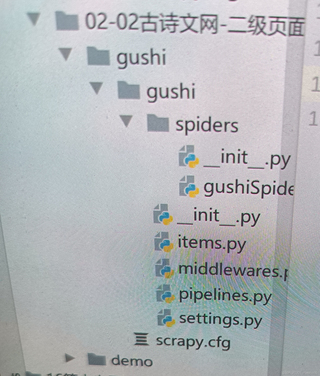
步骤一:创建项目
scrapy startproject gushiwen
步骤二:创建爬虫
cd gushiwen
scrapy genspider tangshi so.gushiwen.cn/gushi/tangshi.aspx
步骤三:编辑items.py
在gushiwen/items.py中定义数据结构:
import scrapy

class GushiwenItem(scrapy.Item):
    title = scrapy.Field()
    author = scrapy.Field()
    content = scrapy.Field()
    url = scrapy.Field()
步骤四:修改settings.py
确保ROBOTSTXT_OBEY被设为False,并启用管道:
ROBOTSTEXT_OBEY = False

# Enable or disable pipelines
ITEM_PIPELINES = {
   'gushiwen.pipelines.GushiwenPipeline': 300,
}
步骤五:编辑tangshi.py爬虫文件
import scrapy
from gushiwen.items import GushiwenItem

class TangshiSpider(scrapy.Spider):
    name = "tangshi"
    allowed_domains = ["gushiwen.cn"]
    start_urls = [
        "https://so.gushiwen.cn/gushi/tangshi.aspx",
    ]

    def parse(self, response):
        # 提取每个古诗的链接
        poem_links = response.xpath('//div[@class="sons"]/a/@href').extract()
        for link in poem_links:
            yield scrapy.Request(url=link, callback=self.parse_poem)

    def parse_poem(self, response):
        item = GushiwenItem()
        item['title'] = response.xpath('//h1/text()').get()
        item['author'] = response.xpath('//p[@class="source"]/a[1]/text()').get()
        item['content'] = response.xpath('//div[@class="contson"]/text()').getall()
        item['url'] = response.url
        yield item
步骤六:编辑pipelines.py
import json

class GushiwenPipeline:
    def open_spider(self, spider):
        self.file = open('poems.json', 'w')

    def close_spider(self, spider):
        self.file.close()

    def process_item(self, item, spider):
        line = json.dumps(dict(item), ensure_ascii=False) + "\n"
        self.file.write(line)
        return item
运行爬虫
scrapy crawl tangshi
这将抓取唐诗三百首页面上的所有诗歌链接,并对每首诗进行深度抓取,获取标题、作者、内容以及URL,最后将结果保存到poems.json文件中。