给出一个二维数组,二维数组可以表示为一个迷宫,求迷宫中各种元素的数量

 分享
分享
 关注
关注让【宝码香车】来帮您解答,本回答参考DeepSeek编写,并整理提供。
如果答案能帮助您,请采纳,非常感谢!
.
每日一句正能量,让它带给您好心情:别让别人的评价,左右你的人生,你才是自己的主角。
.
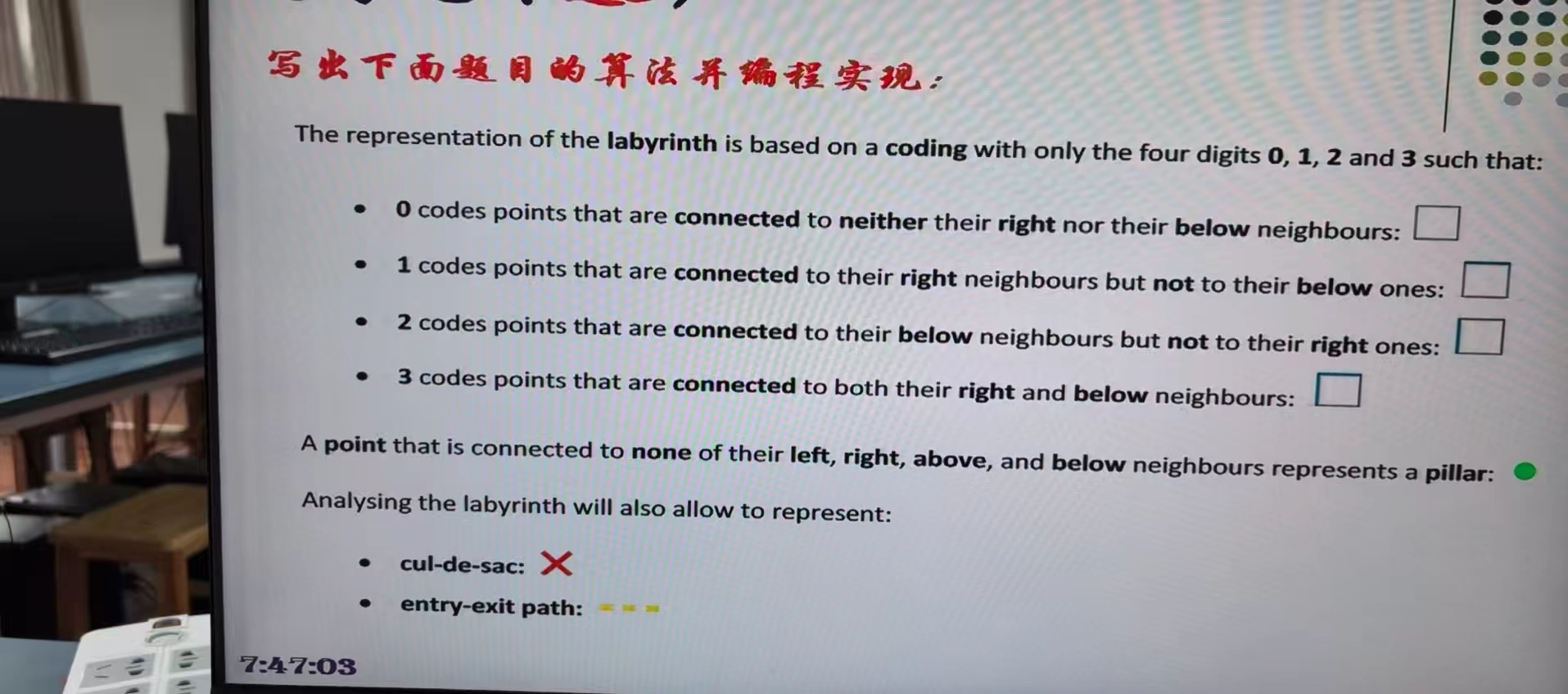
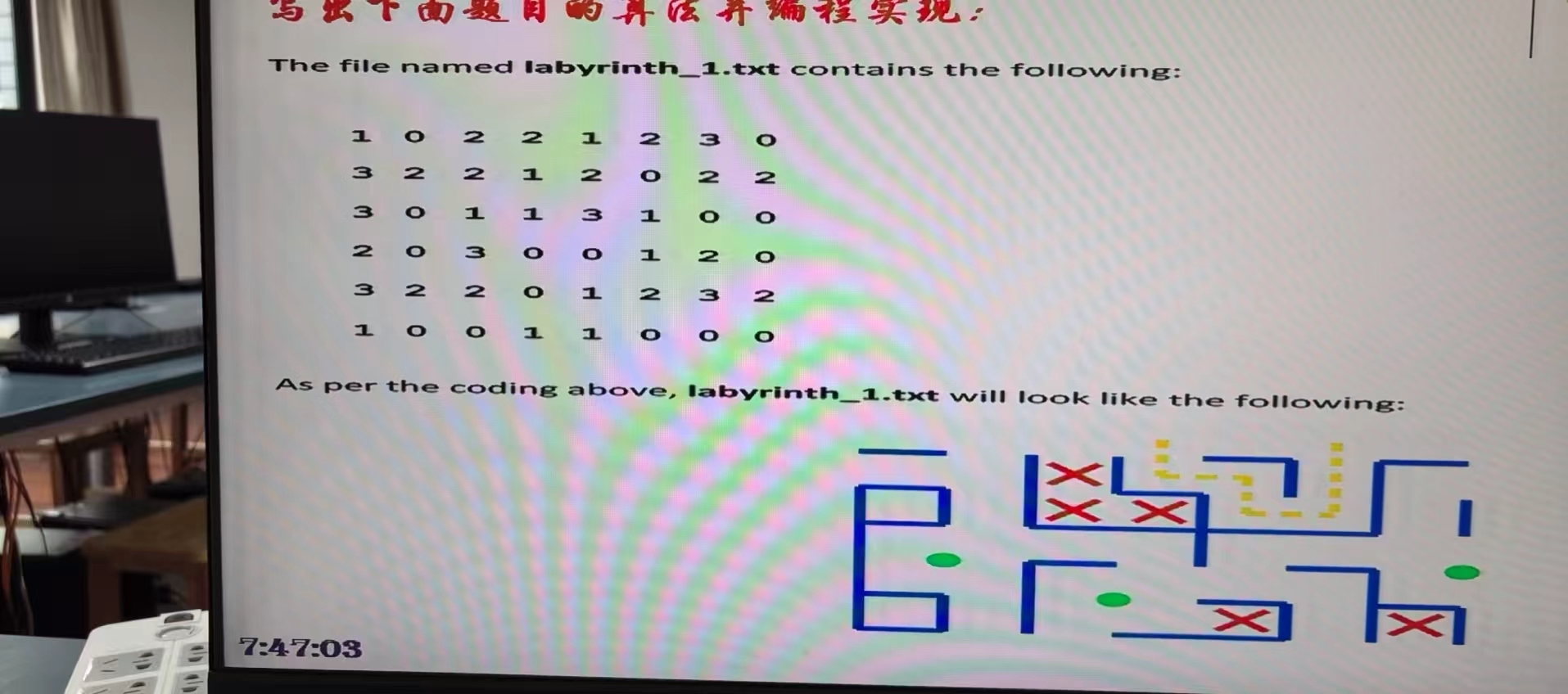
我来帮你分析这个迷宫问题。根据问题描述,这是一个基于数字编码的迷宫表示方法,需要统计各种元素的数量。
class Labyrinth:
    def __init__(self, filename):
        """
        从文件读取迷宫数据
        """
        self.grid = self._read_labyrinth(filename)
        self.rows = len(self.grid)
        self.cols = len(self.grid[0]) if self.rows > 0 else 0

    def _read_labyrinth(self, filename):
        """
        读取迷宫文件并解析为二维数组
        """
        with open(filename, 'r') as f:
            lines = [line.strip() for line in f if line.strip()]

        # 这里需要根据实际文件格式进行解析
        # 假设文件包含数字编码
        grid = []
        for line in lines:
            row = []
            for char in line.split():
                if char.isdigit():
                    row.append(int(char))
            if row:
                grid.append(row)
        return grid

    def display_features(self):
        """
        显示迷宫的各种特征统计
        """
        gates = self._count_gates()
        wall_sets = self._count_wall_sets()
        inaccessible_points = self._count_inaccessible_points()
        accessible_areas = self._count_accessible_areas()
        cul_de_sac_sets = self._count_cul_de_sac_sets()
        entry_exit_paths = self._analyze_entry_exit_paths()

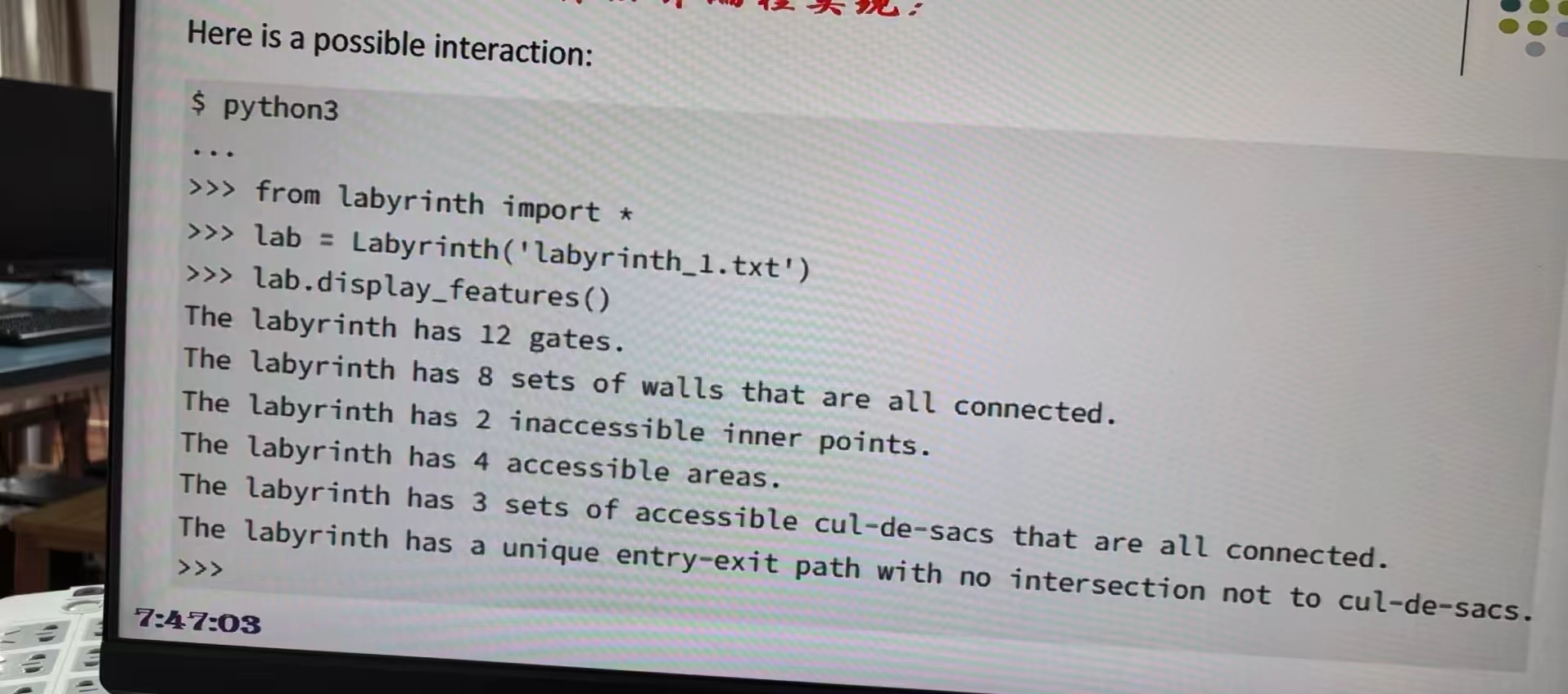
        print(f"The labyrinth has {gates} gates.")
        print(f"The labyrinth has {wall_sets} sets of walls that are all connected.")
        print(f"The labyrinth has {inaccessible_points} inaccessible inner points.")
        print(f"The labyrinth has {accessible_areas} accessible areas.")
        print(f"The labyrinth has {cul_de_sac_sets} sets of accessible cul-de-sacs that are all connected.")
        print(f"The labyrinth has {entry_exit_paths}")

    def _count_gates(self):
        """
        统计门的数量(边界上的入口)
        """
        gates = 0
        # 检查上边界
        for j in range(self.cols):
            if self.grid[0][j] in [2, 3]:  # 可以向下连接
                gates += 1

        # 检查下边界
        for j in range(self.cols):
            if self.grid[self.rows-1][j] in [0, 1]:  # 不能向下连接
                gates += 1

        # 检查左边界
        for i in range(self.rows):
            if self.grid[i][0] in [1, 3]:  # 可以向右连接
                gates += 1

        # 检查右边界
        for i in range(self.rows):
            if self.grid[i][self.cols-1] in [0, 2]:  # 不能向右连接
                gates += 1

        return gates

    def _count_wall_sets(self):
        """
        统计连通墙集合的数量
        """
        visited = [[False] * self.cols for _ in range(self.rows)]
        wall_sets = 0

        for i in range(self.rows):
            for j in range(self.cols):
                # 墙的逻辑需要根据具体编码定义
                if not visited[i][j] and self._is_wall(i, j):
                    self._dfs_walls(i, j, visited)
                    wall_sets += 1

        return wall_sets

    def _count_inaccessible_points(self):
        """
        统计无法到达的内部点
        """
        # 使用BFS或DFS从所有门开始遍历
        # 统计无法访问的内部点
        pass

    def _count_accessible_areas(self):
        """
        统计可达区域的数量
        """
        pass

    def _count_cul_de_sac_sets(self):
        """
        统计死胡同集合的数量
        """
        pass

    def _analyze_entry_exit_paths(self):
        """
        分析出入口路径
        """
        pass

    def _is_wall(self, i, j):
        """
        判断某个位置是否是墙
        """
        # 根据编码规则判断
        pass

    def _dfs_walls(self, i, j, visited):
        """
        深度优先搜索连通墙
        """
        pass
这个框架提供了解决迷宫统计问题的基本结构,具体的实现细节需要根据实际的迷宫编码规则和文件格式进行调整。
分享 创建了问题
11月16日
创建了问题
11月16日


