python+opencv怎么测量丝状异物尺寸?丝状弯曲的,怎么测量准确?
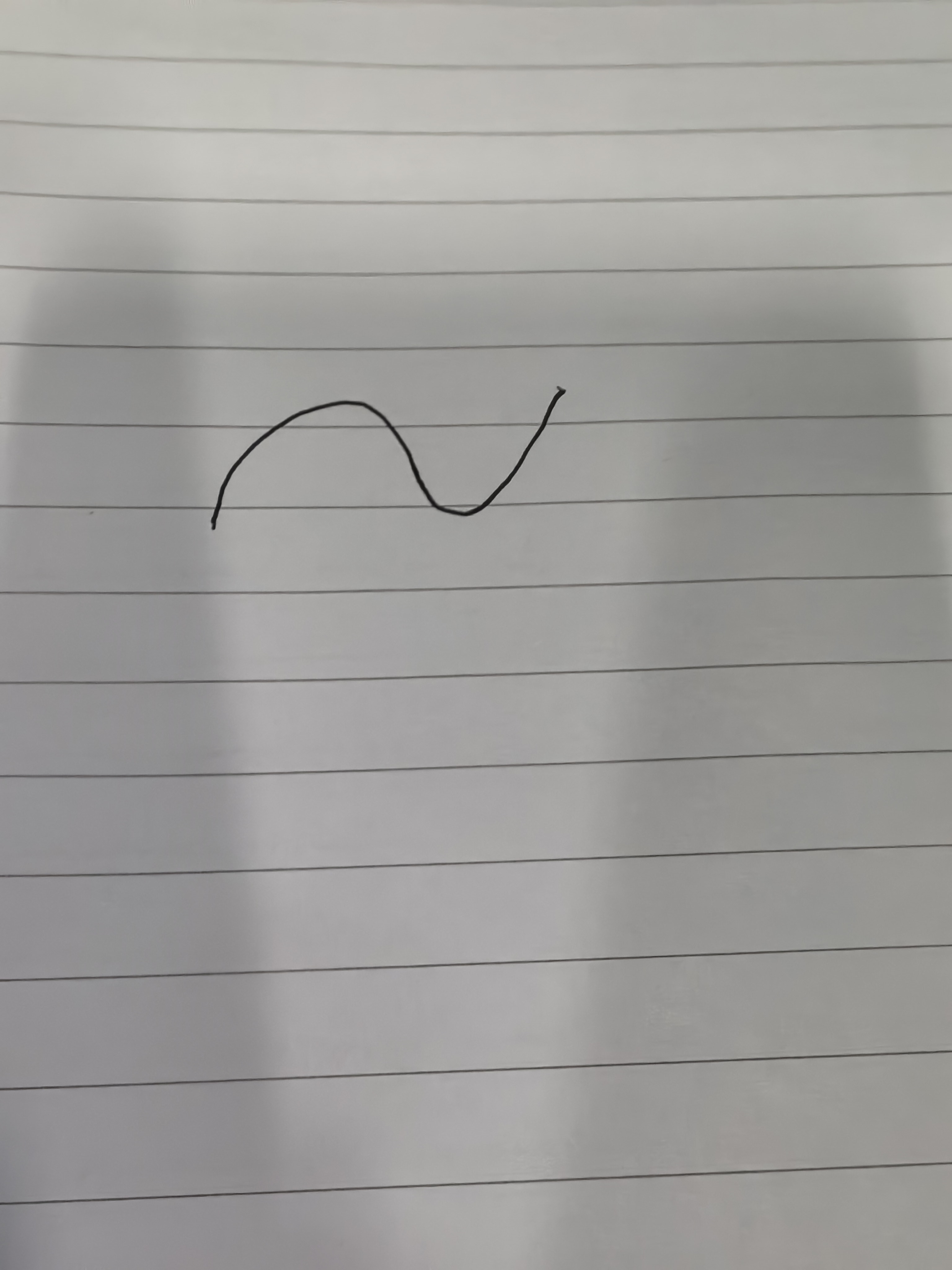

python+opencv怎么测量丝状异物尺寸?丝状弯曲的,怎么测量准确?
 分享
分享
上午好☀️☀️☀️️
本答案参考通义千问
在使用 Python + OpenCV 测量丝状异物(如纤维、丝状物等)的尺寸时,尤其是弯曲的丝状物,需要考虑以下几点:
cv2.Canny() 或 cv2.threshold() 进行边缘检测。cv2.findContours() 找到所有轮廓。import cv2
import numpy as np
# 读取图像
image = cv2.imread('fiber.jpg')
gray = cv2.cvtColor(image, cv2.COLOR_BGR2GRAY)
# 高斯模糊
blurred = cv2.GaussianBlur(gray, (5, 5), 0)
# 自适应阈值
thresh = cv2.adaptiveThreshold(blurred, 255, cv2.ADAPTIVE_THRESH_GAUSSIAN_C,
cv2.THRESH_BINARY, 11, 2)
# 查找轮廓
contours, _ = cv2.findContours(thresh.copy(), cv2.RETR_EXTERNAL, cv2.CHAIN_APPROX_SIMPLE)
# 假设我们只处理最大的轮廓
if len(contours) > 0:
largest_contour = max(contours, key=cv2.contourArea)
# 绘制轮廓
cv2.drawContours(image, [largest_contour], -1, (0, 255, 0), 2)
# 计算轮廓长度(欧几里得距离)
length = 0
for i in range(len(largest_contour) - 1):
x1, y1 = largest_contour[i][0]
x2, y2 = largest_contour[i+1][0]
dx = x2 - x1
dy = y2 - y1
length += np.sqrt(dx*dx + dy*dy)
# 输出结果
print("**测量的丝状物长度为:**", length, "像素")
print("**换算为实际尺寸需根据图像比例进行转换。**")
# 显示结果
cv2.imshow("Fiber Measurement", image)
cv2.waitKey(0)
cv2.destroyAllWindows()
cv2.Canny() 和 cv2.morphologyEx() 消除噪声。cv2.approxPolyDP() 近似轮廓,减少噪声影响。| 步骤 | 方法 | 说明 |
|------|------|------|
| 1 | 图像增强 | 使用 cv2.equalizeHist() 提升对比度 |
| 2 | 形态学操作 | cv2.morphologyEx() 清除小噪点 |
| 3 | 轮廓细化 | 使用 cv2.distanceTransform() 或 cv2.erode() 获取中心线 |
| 4 | 曲线拟合 | 使用 np.polyfit() 或 scipy.interpolate 进行平滑拟合 |
| 5 | 标定 | 通过已知尺寸物体校准图像比例 |
import cv2
import numpy as np
from scipy.interpolate import interp1d

def measure_fiber_length(image_path):
    image = cv2.imread(image_path)
    gray = cv2.cvtColor(image, cv2.COLOR_BGR2GRAY)
    blurred = cv2.GaussianBlur(gray, (5, 5), 0)
    thresh = cv2.adaptiveThreshold(blurred, 255, cv2.ADAPTIVE_THRESH_GAUSSIAN_C,
                                   cv2.THRESH_BINARY, 11, 2)

    contours, _ = cv2.findContours(thresh.copy(), cv2.RETR_EXTERNAL, cv2.CHAIN_APPROX_SIMPLE)

    if not contours:
        return None

    largest_contour = max(contours, key=cv2.contourArea)
    points = largest_contour.reshape(-1, 2)

    # 插值以提高精度
    t = np.linspace(0, 1, len(points))
    f_x = interp1d(t, points[:, 0], kind='cubic')
    f_y = interp1d(t, points[:, 1], kind='cubic')
    t_new = np.linspace(0, 1, len(points)*10)
    x_interp = f_x(t_new)
    y_interp = f_y(t_new)

    # 计算总长度
    length = 0
    for i in range(len(x_interp)-1):
        dx = x_interp[i+1] - x_interp[i]
        dy = y_interp[i+1] - y_interp[i]
        length += np.sqrt(dx*dx + dy*dy)

    return length

# 示例调用
length_px = measure_fiber_length('fiber.jpg')
print(f"**测量的丝状物长度为:** {length_px} 像素")
重点:
- 不能用矩形框,要用轮廓点之间的距离计算实际长度。
- 弯曲丝状物需使用插值或多项式拟合,提高测量精度。
- 图像标定 是将像素转换为实际尺寸的关键。
如有更多具体需求(如自动识别多个丝状物、实时测量等),可进一步扩展功能。欢迎继续提问!
分享 修改了问题
4月23日
创建了问题
4月23日
修改了问题
4月23日
创建了问题
4月23日

