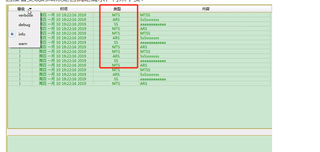
求问:什么方法能在QTableView或者QTableWidget的其他列像第一列那样添加个下拉框吗?

 分享
分享
 关注
关注【以下回答由 GPT 生成】
在Qt中,可以使用委托 (Delegate) 对不同的表格单元格进行定制化的绘制和编辑。我们可以创建一个自定义委托来实现在表格的其他列中添加下拉框。
以下是一个示例代码,演示了如何在QTableWidget的第二列中添加一个下拉框委托:
#include <QApplication>
#include <QTableWidget>
#include <QComboBox>
#include <QItemDelegate>

class ComboBoxDelegate : public QItemDelegate
{
public:
    QWidget *createEditor(QWidget *parent, const QStyleOptionViewItem &option, const QModelIndex &index) const override
    {
        if (index.column() == 1) {  // 指定需要下拉框的列索引
            QComboBox *comboBox = new QComboBox(parent);
            comboBox->addItem("Option 1");
            comboBox->addItem("Option 2");
            comboBox->addItem("Option 3");
            return comboBox;
        }
        return QItemDelegate::createEditor(parent, option, index);
    }
};

int main(int argc, char *argv[])
{
    QApplication a(argc, argv);

    QTableWidget tableWidget(5, 3);
    tableWidget.setItemDelegate(new ComboBoxDelegate());  // 设置自定义委托

    tableWidget.setHorizontalHeaderLabels({"Column 1", "Column 2", "Column 3"});

    // 添加示例数据
    for (int row = 0; row < tableWidget.rowCount(); ++row) {
        QTableWidgetItem *item = new QTableWidgetItem(QString("Item %1").arg(row));
        tableWidget.setItem(row, 0, item);
    }

    tableWidget.show();
    return a.exec();
}
在上面的代码中,我们继承了QItemDelegate类并重写了createEditor函数。当表格需要编辑时,createEditor函数会被调用,并根据需要返回特定的编辑器部件。在我们的例子中,如果列索引为1,即第二列,就返回一个QComboBox下拉框部件。
请注意,为了使用自定义委托,我们需要通过setItemDelegate函数将其设置为QTableWidget的委托。
另一种实现该功能的方法是使用Qt的模型-视图框架。通过创建一个自定义的数据模型,并为特定列提供符合要求的数据,我们可以实现在QTableView或QTableWidget的其他列中添加下拉框。
以下是一个示例代码,演示了使用QTableView和QStandardItemModel来实现这一功能:
#include <QApplication>
#include <QTableView>
#include <QStandardItemModel>
#include <QComboBox>

int main(int argc, char *argv[])
{
    QApplication a(argc, argv);

    QStandardItemModel model(5, 3);
    QTableView tableView;

    tableView.setModel(&model);

    // 添加示例数据
    for (int row = 0; row < model.rowCount(); ++row) {
        QStandardItem *item = new QStandardItem(QString("Item %1").arg(row));
        model.setItem(row, 0, item);
    }

    // 在第二列中添加下拉框
    for (int row = 0; row < model.rowCount(); ++row) {
        QComboBox *comboBox = new QComboBox();
        comboBox->addItem("Option 1");
        comboBox->addItem("Option 2");
        comboBox->addItem("Option 3");

        QModelIndex index = model.index(row, 1);
        tableView.setIndexWidget(index, comboBox);
    }

    tableView.show();
    return a.exec();
}
在上面的代码中,我们首先创建了一个QStandardItemModel,并为其设置了5行和3列。接着,我们为每一行的第一列添加了一个QStandardItem,并设置了对应的文本。
然后,我们使用循环,在第二列中为每一行设置了一个QComboBox下拉框。我们为下拉框添加了选项,并使用setIndexWidget函数将QComboBox部件设置为相应的单元格。
最后,我们将QStandardItemModel设置为QTableView的模型,并展示了QTableView。
这是一种使用模型-视图框架实现该功能的方法,更加灵活和可扩展。不过,相比于使用委托的方法,这种方法可能需要更多的代码和维护。
以上是两种实现在Qt中在QTableView或QTableWidget的其他列中添加下拉框的方法。使用自定义委托是一种简单和直接的方法,而使用模型-视图框架则更加灵活和可扩展。根据具体的需求和使用场景,选择适合的方法来解决问题。
【相关推荐】
分享 创建了问题
10月19日
创建了问题
10月19日


